
Reviewed · CORFU OLIVE OIL MILLS & TASTINGS
Corfu: Olive Oil Experience – The Governor’s Olive Mill
Olive oil can be cultural history on your tongue. I love how this tour pairs the old Loutrouvio olive mill with modern extraction machines, then turns the lesson into a tasting seminar that helps you judge quality. The one thing to plan around: the morning drive and group format can feel a bit crowded, especially if you’re arriving by cruise and need to be back fast.
What really makes this Corfu experience memorable is the mix of craft and proof. You’ll see the family side of production, walk among long-lived trees (including a famous 1,500-year-old one), and learn why the Governor brand shows up with international recognition. For me, the biggest payoff is leaving with practical skills, not just a pleasant snack stop.
In This Review
- Key Highlights You Should Care About
- The Governor’s Olive Mill: more than a showroom tour
- The tour rhythm: pickup, museum area, and why timing matters
- Loutrouvio and the old machines: seeing how tradition survives
- Modern extraction area and the prizes wall
- The tasting seminar: how to act like an olive oil sommelier
- What’s included in the food pairing at the mill
- Secret stop and groves: where the oil lesson gains a view
- Gardiki Byzantine Castle stop: context for the wider region
- The price ($80) and what makes it feel worth it
- Who should book this olive oil experience?
- Should you book The Governor’s Olive Oil Experience?
Key Highlights You Should Care About
- Old Loutrouvio methods shown alongside today’s production so you can see what actually changed
- A guided EVOO tasting seminar that teaches you how to recognize quality
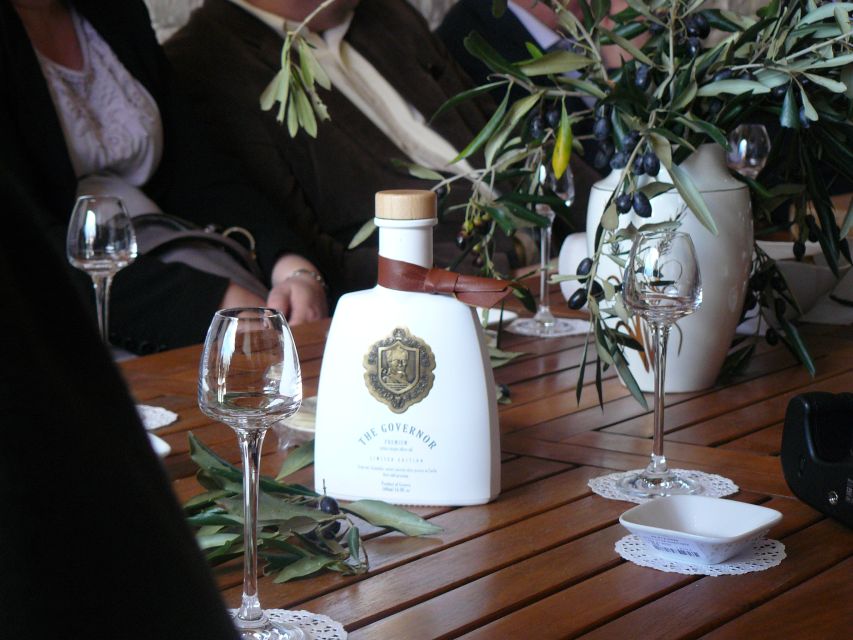
- International prizes and health-claim context tied to the Governor Extra Virgin Olive Oil
- The Mitera olive tree visit, with a story that makes Corfu feel personal
- Family-run grove time with photo stops and a real sense of place
- Food pairing at the mill, with local bites included in the tasting
The Governor’s Olive Mill: more than a showroom tour
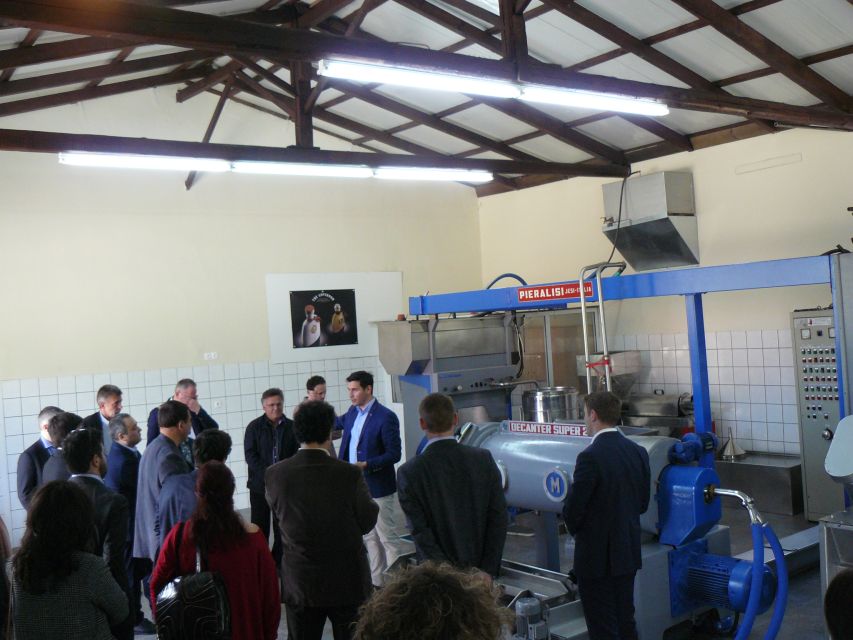
The Governor’s Olive Mill works because it doesn’t treat olive oil like a museum object. It’s presented as a living island tradition with a clear production path, from tree to press to bottle. You start with historical context tied to Greece and Corfu, then you move into the modern side of the process, where new generation machines handle extraction.
At the mill, the vibe is part educational, part hands-on in spirit. You’re guided through old techniques and machinery, then you’re shown how today’s processing stages work. That pacing matters because it prevents the common olive-tour problem: you either get facts with no sensory takeaway, or you get tasting with no understanding.
And yes, olive oil is the star. But what I like is that the tour doesn’t end at taste. It also gives you a framework for what to look for next time you’re shopping.
Liquid gold: more Corfu olive-mill visits and tastings
- The Governor’s Olive Mill Tour with Olive Oil Tasting
★ 5.0 · 502 reviews - Corfu: Olive Oil Experience – The Governor’s Olive Mill
★ 4.9 · 138 reviews - North Corfu Olive Tour With Olive oil Tasting & Meze
★ 5.0 · 89 reviews - Winery tour with Wine and Olive tasting in Corfu
★ 4.5 · 65 reviews - Cooking Classes and olive oil tasting.The real taste of Greece!
★ 5.0 · 56 reviews
The tour rhythm: pickup, museum area, and why timing matters
The schedule is built around a morning start. Pickups happen from selected locations (often around 09:00–09:30), then you head to The Governor’s Olive Mill. The guided portion begins at 10:30, and the overall experience is listed as about 3 hours.
In real life, plan for extra time because you’ll be in a shared vehicle and you may have photo/stop moments. Some people also report that door-to-door time can stretch longer once pickup and added stops are counted. If you’re on a cruise with a tight return window, you’ll want to treat this as a timing-sensitive day and communicate your pickup needs early.
Group size is small, but not private. You’re limited to 10 participants, the mini van max is 8, and the overall number of participants can run 20–30. Translation: you’ll get a guided flow, but you won’t have the place entirely to yourself.
Loutrouvio and the old machines: seeing how tradition survives
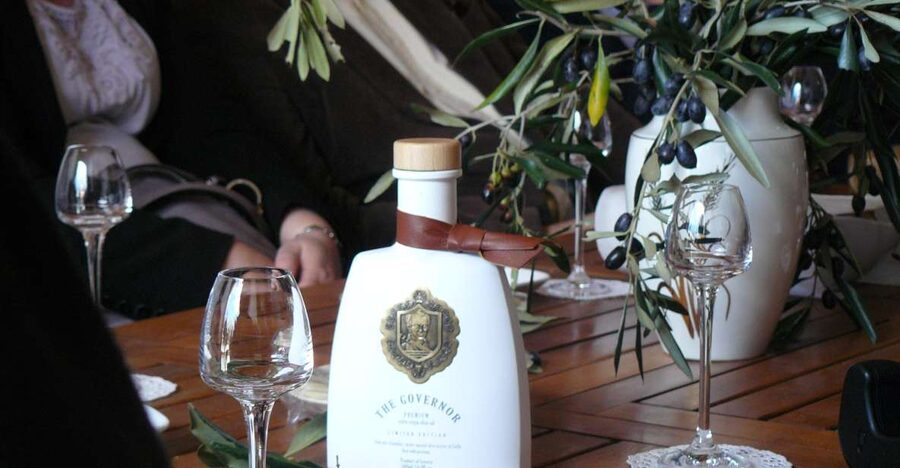
The first part of the experience connects olive trees to Greek culture on Corfu, including how harvesting and production were done for centuries. You’ll see old techniques and machinery tied to a historical olive mill stop, the Loutrouvio (Old Olive mill) connected to the Dafnis family.
Why this matters for you: understanding the old method makes the modern method easier to interpret. When you later hear about extraction stages and processing details, you’ll recognize what’s being improved and what’s being preserved. It turns the talk from “interesting facts” into “I understand the system.”
There’s also a human side to the storytelling. The reviews consistently highlight guides with humor and real island knowledge, and that shows up as a more relaxed pace. Expect an explanation that tries to make the topic stick, not just recite it.
Modern extraction area and the prizes wall
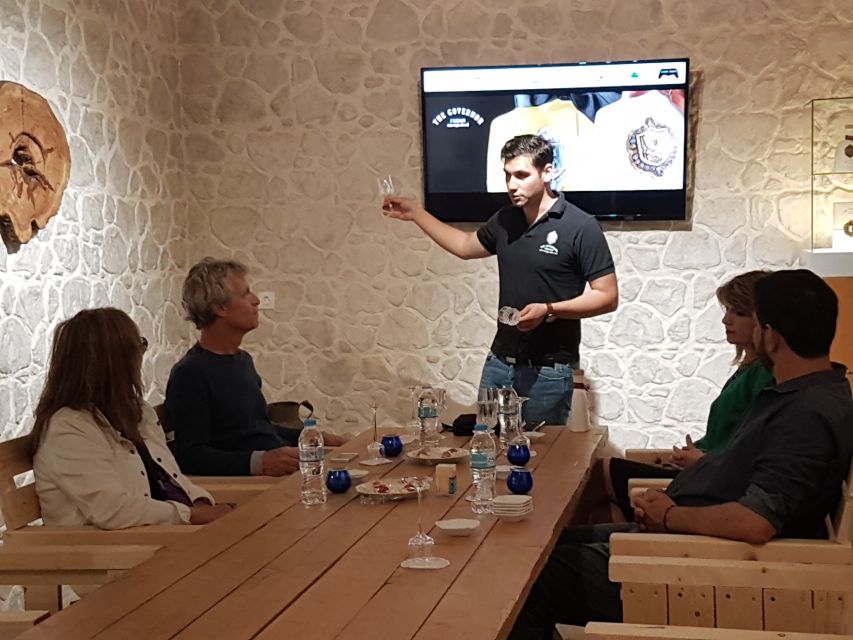
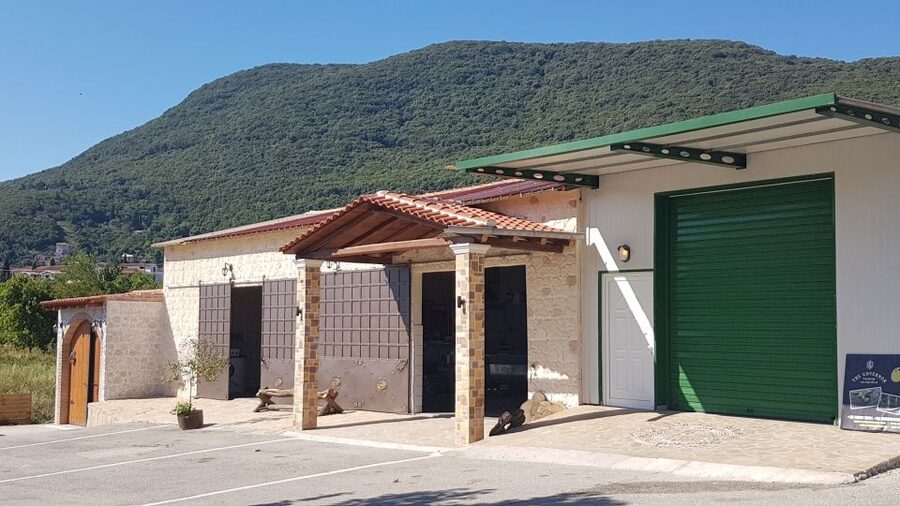
After the historical part, you move into the modern olive oil production area. Here, the focus shifts to processing and extraction stages, with new generation machines and a presentation of international prizes connected to the Governor Extra Virgin Olive Oil.
This is where the tour becomes useful if you care about buying quality. The message is not only that the oil tastes great, but that it has measurable recognition and specific identity markers. The Governor Extra Virgin Olive Oil is described as the first monovarietal EVOO from a single Lianolia variety of Corfu, the first Health Claim EVOO in the world, and the Best Greek Olive Oil Brand of 2016 (noted as per Gastronomos). It’s also described as the first olive oil in international scientific literature published in The Journal of Nutritional Biochemistry as a medical food.
You don’t need to be a science person to appreciate this. It gives you a way to talk about quality beyond flavor: variety, production approach, and recognition.
The tasting seminar: how to act like an olive oil sommelier
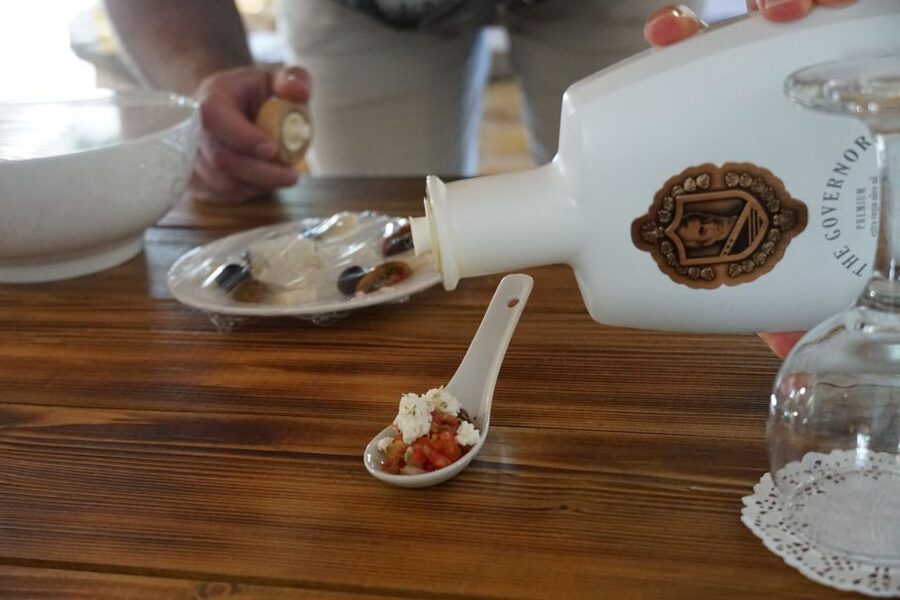
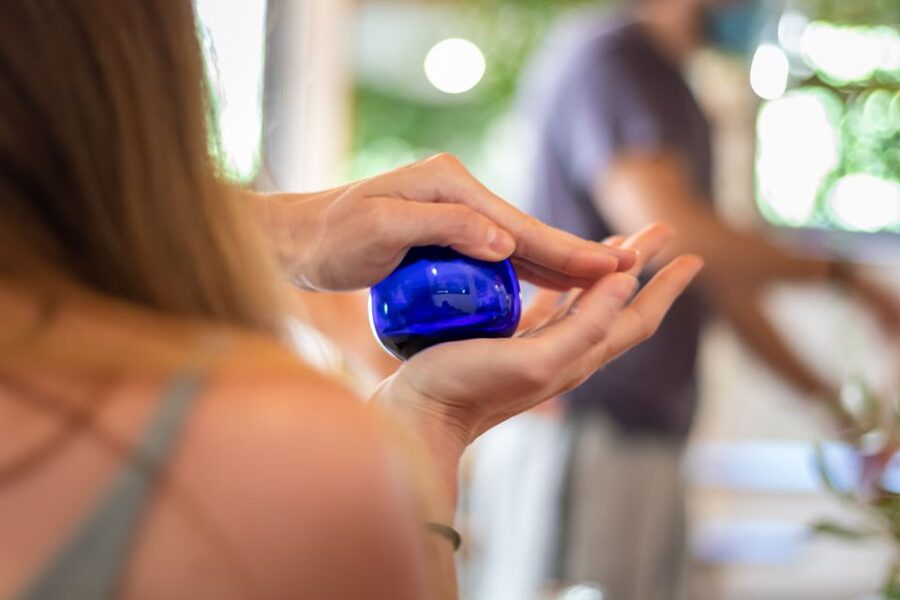
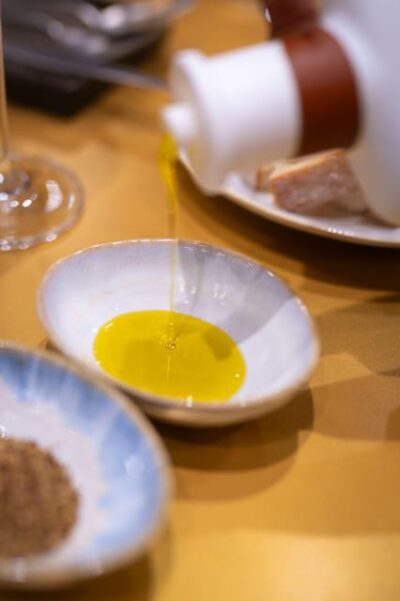
This is the part most people remember because it changes how you taste. The tour includes an olive oil tasting seminar where you learn how best to taste and recognize high-quality olive oil. The guiding goal is simple: you leave able to distinguish categories and make better choices.
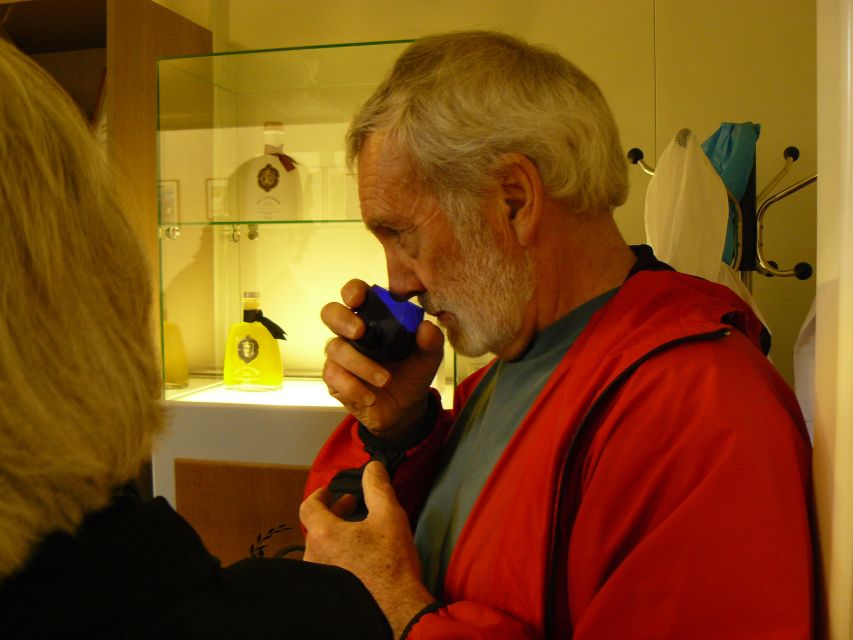
You’ll be shown how to approach tasting as a skill. That likely includes aroma and flavor noticing, plus guidance on what quality often feels like in the cup (and what lower-quality oil can taste like). The “sommelier for a day” framing isn’t just marketing. It’s training your senses with a structured comparison.
Also, the tasting isn’t dry. It’s paired with food, which helps your brain link flavor traits to real-world eating. When you later taste olive oil at home, you’ll have a reference point.


What’s included in the food pairing at the mill
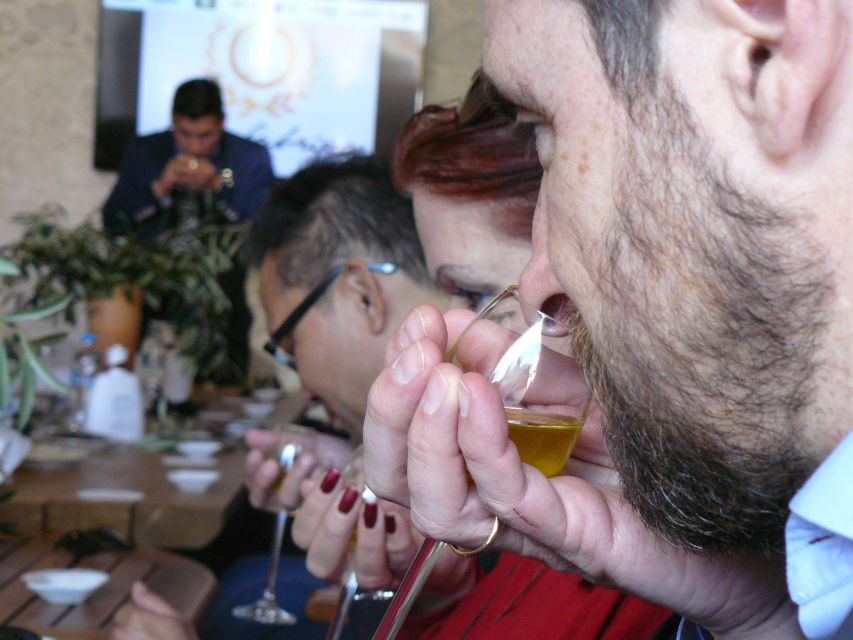
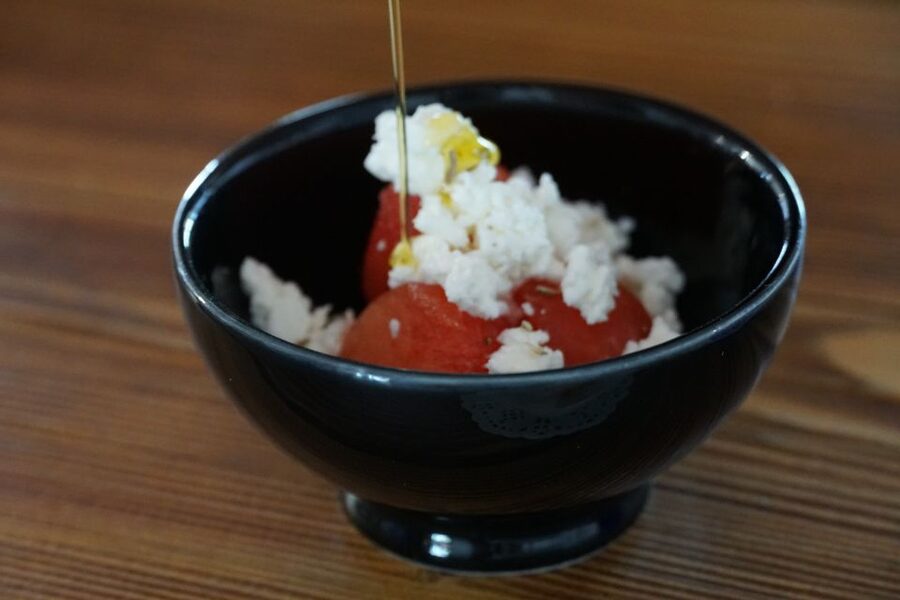
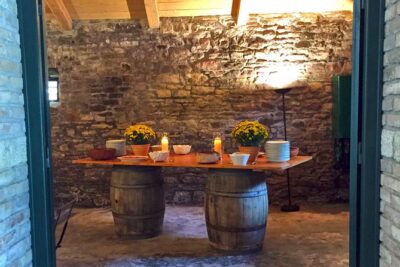
The finger-food section is designed to keep the experience light and local. You’ll typically get:
- Village bread and cheese
- Cherry tomatoes and capers
- Dessert (yogurt, ice cream, or chocolate)
- Natural mineral water
A few people mention getting combinations like feta, tomatoes, and yogurt with marmalade. Either way, the point is the same: you’re eating Corfu flavors alongside tasting so you can understand how the oil behaves as part of a meal, not only as a standalone sip.
One practical tip: eat a decent breakfast before you go. The tasting is snack-sized, and it’s easier to enjoy the seminar when you’re not hungry.
Secret stop and groves: where the oil lesson gains a view
After the mill, the itinerary includes a short secret stop that can involve a photo stop, a visit, and a guided walk for about 20 minutes. This is often where the day starts to feel more like exploring Corfu, not just learning in one location.
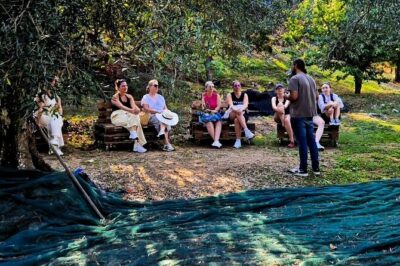
Then you drive to the ancient olive groves of the Dafnis family. This is one of the strongest emotional parts of the tour because you’re seeing the source material in daylight, in the landscape where it actually grows. You’ll visit old groves and meet the Mitera olive tree, described as about 1500 years old.
If you like history, this moment lands hard. If you don’t, it still works because it reframes olive oil as a long-term relationship between people and land. The tree isn’t just a photo. It’s an anchor for why olive oil matters here.
Do note the real-world thing: mosquitoes can be an issue in the groves. One group mentions mosquito bite cream being provided, which is a thoughtful touch. Still, pack basic bug protection if you’re sensitive.
Gardiki Byzantine Castle stop: context for the wider region
The tour includes a stop by Gardiki Byzantine Castle to learn more historical details about the area. Even if you’re not a dedicated castle person, it helps connect the olive story to the broader human story of Corfu. The island’s olive culture didn’t exist in isolation. It sat alongside defense, settlement, and changing empires.
This stop is also a good breather. After tasting and grove walking, you get a change of pace: viewpoints, ruins, and a guided explanation.
The price ($80) and what makes it feel worth it
At $80 per person, the value depends on what you want out of Corfu that day.
Here’s what you’re paying for, in practical terms:
- Pickup and drop-off from Corfu-area locations and within the stated radius
- A guided tour through old and modern mill areas
- An olive oil tasting seminar focused on how to choose quality
- Included food pairing at the mill
- Additional stops, including groves and Gardiki
If you only want a quick factory photo and a generic tasting, you could find cheaper options. But if you want a real skill-building session—how to taste, what quality signals mean, how Corfiot olive oil ties to a specific variety—then this price starts to make sense.
Also, the tour runs in a small-group format with a guide. That matters because you can ask questions and actually follow the explanation without feeling lost in a crowd.
Who should book this olive oil experience?
This is a great fit if you:
- Like food tours that teach something you can use later
- Want a Corfu activity that feels local and tied to land, not just sights
- Care about buying better olive oil and learning what “good” means
- Enjoy guided history, even when it’s told through something as everyday as an olive
It’s also a strong choice if you’re short on time but still want depth. It’s scheduled as a focused morning-to-afternoon experience rather than an all-day hike.
The main caution is timing. If you’re cruising and must be back to the ship, treat pickup time and return window seriously.
Should you book The Governor’s Olive Oil Experience?
I think you should book if you want more than a tasting platter. The tour’s biggest strength is that it teaches you to recognize quality, then backs that up with context: old methods, modern processing, and the Governor brand’s award and recognition story. Add in the visit to the Mitera olive tree and the Gardiki stop, and you get an experience that feels both practical and place-based.
Skip it if your priority is pure sightseeing only, or if you hate shared-vehicle days. Otherwise, this is one of those Corfu activities where you leave with a skill, not just souvenirs.
More Tour Reviews in Corfu
- From Corfu Island: Antipaxos & Paxos Blue Caves Boat Cruise
★ 4.6 · 2,963 reviews - From Corfu: Day Cruise to Paxos, Antipaxos, and Blue Caves
★ 4.6 · 2,851 reviews - Full-Day Boat Tour of Paxos Antipaxos Blue Caves from Corfu
★ 4.5 · 1,567 reviews - Corfu: City Sightseeing Hop-On Hop-Off Bus Tour
★ 4.1 · 937 reviews - Day Trip to Saranda and Butrint National Park from Corfu
★ 4.2 · 847 reviews
More Olive Mills to Visit
- The Governor’s Olive Mill Tour with Olive Oil Tasting
★ 5.0 · 502 reviews - Corfu: Greek Cooking Class & Olive Oil Tasting
★ 4.9 · 137 reviews - North Corfu Olive Tour With Olive oil Tasting & Meze
★ 5.0 · 89 reviews - Winery tour with Wine and Olive tasting in Corfu
★ 4.5 · 65 reviews - Cooking Classes and olive oil tasting.The real taste of Greece!
★ 5.0 · 56 reviews
Not the one? Have a browse through the rest of what Corfu gets up to



Corfu Olive Oil Mills & Tastings, compared.
 ★ 5.0The Governor’s Olive Mill Tour with Olive Oil TastingFrom $82502 reviews
 ★ 4.9Greek Cooking Class & Olive Oil TastingFrom $107137 reviews
 ★ 5.0North Corfu Olive Tour With Olive oil Tasting & MezeFrom $7489 reviews
 ★ 4.9Symphony of Flavors – Olive Oil & Food Pairing at Corfu TownFrom $4066 reviews
 ★ 4.5Winery tour with Wine and Olive tasting in CorfuFrom $2665 reviews
 ★ 4.9Private Olive Oil Tasting with Guide62 reviews
 ★ 5.0Cooking Classes and olive oil tasting.The real taste of Greece!From $12056 reviews
 ★ 5.0Exclusive Olive Oil Tasting in Corfu Old TownFrom $1615 reviews
Browse the lists this tour appears in