Reviewed · CORFU
Rock Climbing Experience in Corfu for Beginners
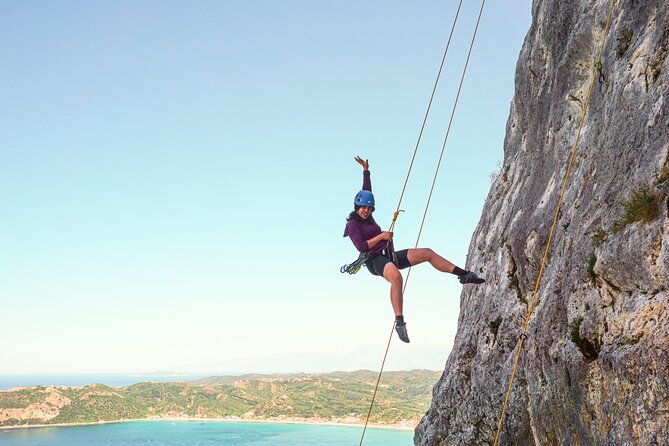
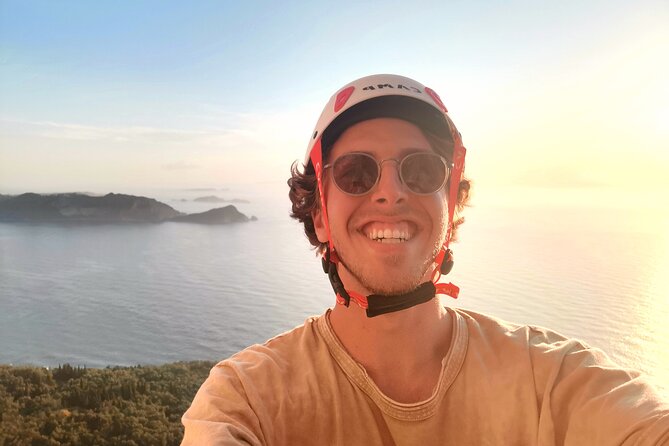
Corfu changes when you look up. This beginner rock climbing session lets you climb top-rope while taking in big views over the Ionian Coast and the Diapondian Islands—no experience needed, just basic fitness. You’ll also be out on a route that’s built for first-timers, not daredevils.
I love the comfort of the setup: climbing shoes, harness, and equipment are provided, and the guides keep the pace friendly while you learn basic technique. I also love the payoff: even a short climb feels like sightseeing, with the sea and islands laid out beneath you. One thing to consider is that it’s weather-dependent and outdoors, and there’s no transfer included—so you’ll want a simple plan to get to the meeting area.
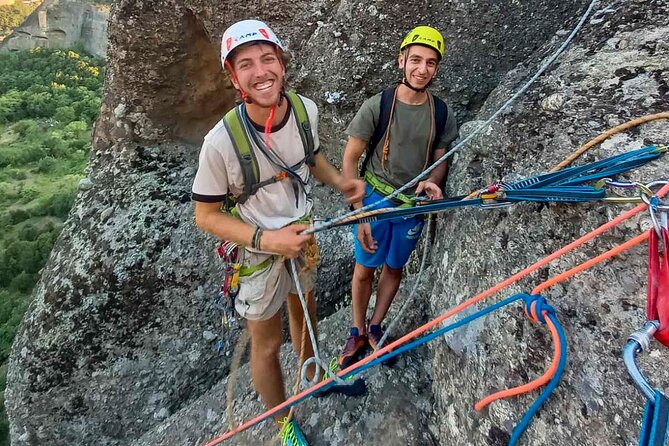
The session runs about 2 hours, and the team (including Iakovos and Sam) stays focused on safety and encouragement. If you like doing an active thing that still feels relaxed, this is a great match.
In This Review
- Quick Key Points to Know Before You Go
- Corfu From a Height: Why This Climbing Session Feels Different
- Top-Rope for Beginners: What the 2 Hours Actually Includes
- Makrades and the Donkey Trail Area: Getting Started in a Calm Corner
- Morning Shade vs Sunset Light: Choosing the Best Time to Climb
- The View You’re Paying For (and How to Enjoy It)
- What’s Included, What You Bring, and How to Show Up Ready
- Safety and Comfort: The Beginner-Friendly Part That Really Matters
- Price and Value: Does $104.50 Make Sense?
- Who This Climbing Experience Is Best For (and Who Should Rethink It)
- Should You Book? My Take
- FAQ
- How long is the rock climbing experience in Corfu?
- Do I need prior rock climbing experience?
- Is top-rope climbing used for beginners?
- What equipment is included, and do I need to bring climbing shoes?
- What should I bring with me?
- What ages are allowed?
- What happens if the weather is bad?
Quick Key Points to Know Before You Go
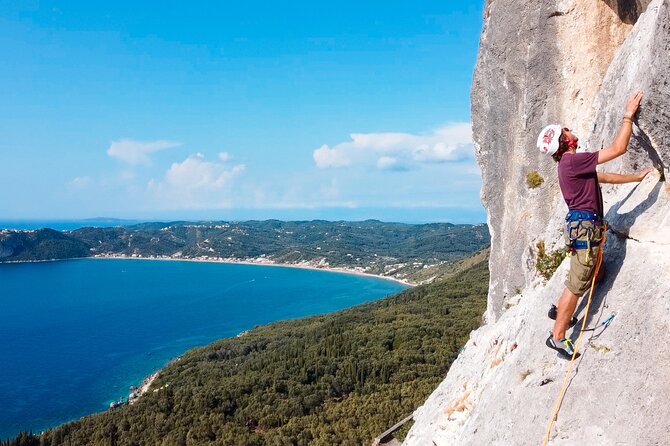
- Top-rope climbing only: routes are climbed with an anchor at the top for a safer beginner experience.
- Gear is included: you get the equipment and climbing shoes, so you can travel lighter.
- Views are the real souvenir: the goal is big sea-and-island scenery, not speed.
- Two time windows: morning for shade or evening for sunset light.
- Small group size: maximum 6 travelers, which helps first-timers feel more supported.
- Makrades starting area: the session begins in the village of Makrades at the end of the Donkey Trail.
Corfu From a Height: Why This Climbing Session Feels Different
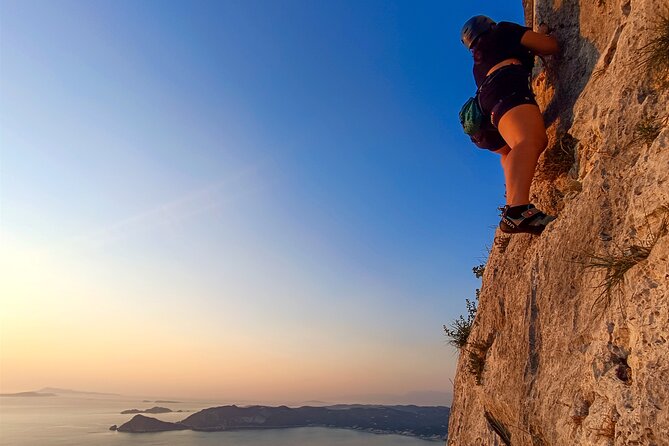
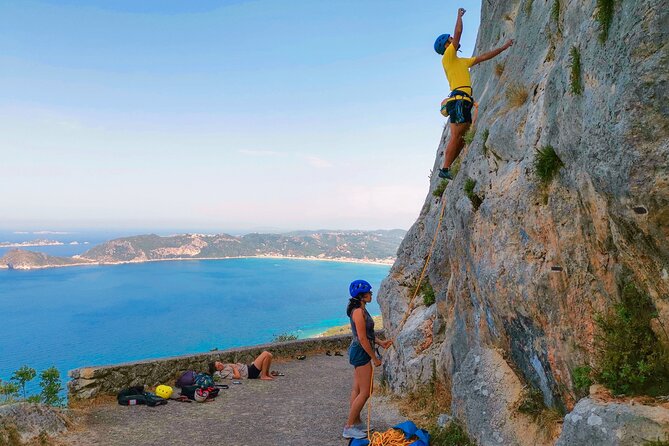
Most people see Corfu from eye level—streets, squares, shorelines. This experience flips the angle. Once you’re on the wall, you start looking outward across the Ionian Sea, with the Diapondian Islands showing up in the view like a bonus destination you didn’t have to plan.
That matters because Corfu’s scenery is already strong from the ground. From the wall, it becomes a full picture: coast shapes, island silhouettes, and that sense of scale you only get when you’re not trapped behind buildings or trees. You’re not just doing a sport; you’re doing a guided viewpoint from a place your feet will never reach on a normal walk.
The other reason it feels special for beginners is the method. You’re not asked to figure out complicated climbing systems. You’re climbing top-rope, which means the rope support is fixed above and you’re securely harnessed from the start.
Torn between trips? These are the Corfu outings our readers rate most highly.
- From Corfu Island: Antipaxos & Paxos Blue Caves Boat Cruise
★ 4.6 · 2,963 reviews - From Corfu: Day Cruise to Paxos, Antipaxos, and Blue Caves
★ 4.6 · 2,851 reviews - Full-Day Boat Tour of Paxos Antipaxos Blue Caves from Corfu
★ 4.5 · 1,567 reviews - Corfu: City Sightseeing Hop-On Hop-Off Bus Tour
★ 4.1 · 937 reviews - Day Trip to Saranda and Butrint National Park from Corfu
★ 4.2 · 847 reviews
Top-Rope for Beginners: What the 2 Hours Actually Includes
This session is built like a short lesson with time to try. You start with a quick introduction to basic climbing techniques, so you’re not guessing while you’re already on the wall. Then you’ll be fitted properly and moved into the climbing area with the top-rope setup guiding you.
What you can expect in practice:
- You’ll climb using holds and technique rather than brute strength.
- The guides help you adjust your movement and confidence step by step.
- Because the route is top-rope, you’re not dealing with the worry of inventing your own safety plan while learning.
The whole session is about 2 hours (approx.). That’s long enough to learn something real and feel momentum. It’s short enough that you don’t have to turn your day into a half-day project.
Also, you’re not alone. The group limit is small (up to 6). For beginners, that’s a big deal. It means the guides can keep an eye on you and give quick fixes when something feels off.
Makrades and the Donkey Trail Area: Getting Started in a Calm Corner
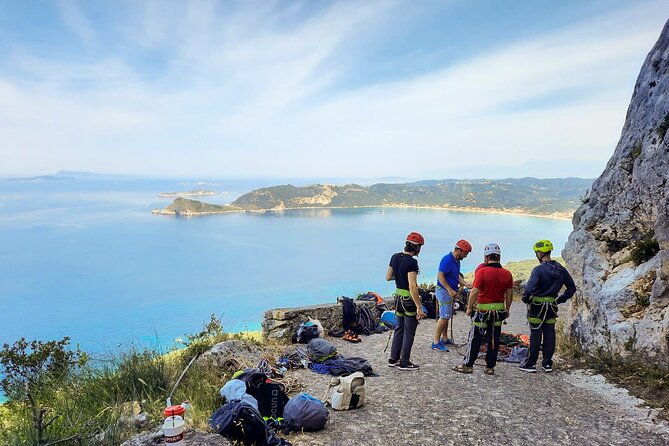
The climbing begins in the village of Makrades, at the end of the Donkey Trail. It’s described as a peaceful spot, and that fits the vibe you want for a first climbing session: you arrive, you settle in, you focus, then you climb.
Your official meeting point is in the Paleokastrites area (you’ll see the exact location in your booking details). The activity ends back at the meeting point, so you’re not signing up for a complicated route that leaves you stranded miles from where you started.
One practical benefit I like here: Makrades is said to be easily accessible by car. So if you’re renting a car or using a taxi for part of the day, it’s a straightforward destination compared to activities that require a long transfer.
If you’re someone who likes clear instructions, the experience has you covered. In previous groups, Iakovos reached out by WhatsApp ahead of time with clear directions to the meeting location and tips to make the journey smooth. That kind of hand-holding helps a lot when you’re trying to find a trailhead-style start.
Morning Shade vs Sunset Light: Choosing the Best Time to Climb
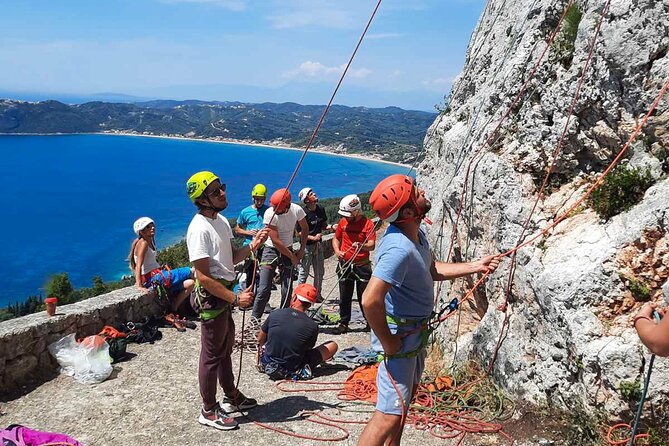
You can do this in either:
- Morning, during the cooler hours (between 09:00 and 12:00).
- Evening, aiming for sunset views.
Why that matters: climbing feels different when your body and the wall are comfortable. Morning sessions are appealing if you want shade and a less hot climb day. Evening sessions add the visual reward. Sunset light can make the sea and islands look extra dramatic, and it turns the viewpoint into the main event.
There’s also scheduling detail by season. In the April–May window, the operating blocks run Monday–Sunday from 9:00 AM to 11:30 AM and 4:00 PM to 7:00 PM. From June–September, the morning block starts later at 10:00 AM, and the evening block runs 5:00 PM to 7:00 PM. The takeaway is simple: plan your day around those time windows, not around a vague idea of afternoon.
If you’re trying to pick one, I’d lean sunset if you have the energy for it and you don’t mind an evening commitment. If you’re worried about heat or you’re doing other daytime activities, morning is the safer bet.
The View You’re Paying For (and How to Enjoy It)
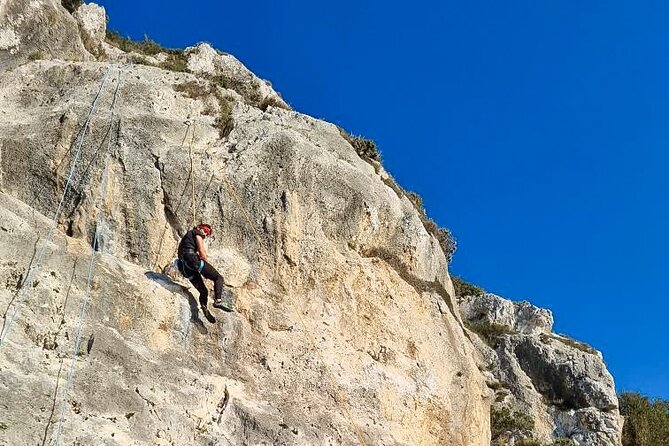
The climbing routes are the sport, but the reason this experience sells out with repeat fans is the view. Once you’re on the wall, you get a perspective you can’t recreate from the streets or the shore.
To make the view part of the experience (not just something you notice by accident), here are a few habits that help:
- Focus on steady movement first. When you feel secure, glance outward.
- Try to pause at moments where your route position makes the horizon visible.
- Don’t cram the view-taking into every second—save it for the in-between breaths so you stay relaxed.
This is also one reason top-rope works well for first-timers. You’re supported. That support buys you calm. And calm makes it easier to enjoy the scenery instead of fighting nerves.
If you’re visiting Corfu and you want to feel like you truly saw it, this is one of the few activities that turns a “scenic trip” into something physical and memorable.

What’s Included, What You Bring, and How to Show Up Ready
Included:
- Rock climbing equipment
- Climbing shoes
Not included:
- Transfer (so you arrange your own way to the meeting point)
- Bottled water
- Snacks
What you should bring:
- Water
- A light snack
That’s it. No long shopping list. The big value is that you don’t have to find climbing shoes before you arrive. For many travelers, that’s the hidden cost that makes or breaks an activity. Here, it’s already handled.
What about clothing? The data doesn’t list specifics, so I’ll keep it practical: wear comfortable clothes you can move in, and expect you may get a little dusty or sun-exposed. If you’re using sunscreen, plan for reapplying, especially for a sunset session.
Safety and Comfort: The Beginner-Friendly Part That Really Matters
The most important line in the whole description is that you climb top-rope with an anchor at the top of the route. You’re harnessed and you’re learning in a controlled setup. That means you can focus on learning movement and balance rather than managing the risk of being unsupported.
Guides are a core part of the value here. In the feedback, people highlight how sweet and helpful the hosts are—especially Iakovos and Sam—making first-time climbers feel safe and confident. That reassurance isn’t fluff. When you’re new to climbing, confidence is part of safety.
Also, the pace and routes tend to feel encouraging rather than intimidating. Even if you only manage part of a route, the session still has momentum because the goal is a beginner introduction with plenty of support.
Children over seven are welcome, which is another clue that the experience is organized around comfort and supervision, not an extreme test.
Price and Value: Does $104.50 Make Sense?
At $104.50 per person for about 2 hours, the price is reasonable when you look at what you actually get:
- Guided instruction and support
- Top-rope setup
- Harnessing and climbing equipment
- Climbing shoes
- A prime viewpoint over sea and islands
The costs you have to add yourself are mostly personal and transport-related: bottled water and snacks aren’t included, and transfers aren’t included.
So the real question is: are you the kind of traveler who wants a guided activity where the scenery is built into the sport? If yes, then this is strong value. You’re paying for safety, instruction, and gear, and the payoff is a rare Corfu view.
If you already have climbing gear and you’ve done top-rope before, you might feel the price less exciting. But for first-timers, the combo of beginner structure, small group size, and viewpoint payoff is where it earns its keep.
Who This Climbing Experience Is Best For (and Who Should Rethink It)
This is a great fit if:
- You’re a first-timer who wants a safe introduction.
- You have basic fitness and can handle about 2 hours of active time outdoors.
- You want Corfu’s scenery from a new angle without needing specialized training.
- You’re traveling with a small group or as a solo visitor who likes guided structure.
It may be less ideal if:
- You rely on air-conditioned activities or you’re not comfortable with weather-driven outdoor plans.
- You don’t want to handle your own transport to the meeting point area since transfers aren’t included.
- You’re looking for a long, intense climbing day rather than a beginner-focused session.
Also, there’s a practical age fit: children over seven are welcome. If your family has kids in that range and you want a supervised activity that doesn’t require climbing experience, this checks a lot of boxes.
Should You Book? My Take
I’d book this if you want one memorable Corfu activity that blends sport, instruction, and a view you can’t get anywhere else. The strongest selling points for beginners are the top-rope safety, the included gear and climbing shoes, and the small-group feel that helps nervous first-timers settle quickly.
If your schedule is flexible, choose your session based on the light you want: morning for shade and comfort, evening for sunset views. And if you’re worried about finding the meeting area, take advantage of the fact that Iakovos (and the team) has shared clear directions by WhatsApp in prior outings—clarity like that is a big deal when you’re arriving in a new place.
All in all: this is a smart, beginner-friendly way to see Corfu from the kind of height that usually requires experience. Here, you get that height with support.
FAQ
How long is the rock climbing experience in Corfu?
The session lasts about 2 hours (approx.).
Do I need prior rock climbing experience?
No. No prior climbing experience is needed; a basic level of fitness is enough.
Is top-rope climbing used for beginners?
Yes. You climb top-rope, which is described as a safer method of climbing with an anchor at the top of the route.
What equipment is included, and do I need to bring climbing shoes?
You get rock climbing equipment and climbing shoes as part of the experience. You don’t need to bring them.
What should I bring with me?
Bring water and a light snack. Bottled water and snacks are not included.
What ages are allowed?
Children over seven years old are welcome, along with adults.
What happens if the weather is bad?
This experience requires good weather. If it’s canceled due to poor weather, you’ll be offered a different date or a full refund.
If you want, tell me what month you’re going and whether you prefer morning or sunset. I can help you pick the best time slot based on the operating hours listed.
More Tour Reviews in Corfu
- From Corfu Island: Antipaxos & Paxos Blue Caves Boat Cruise
★ 4.6 · 2,963 reviews - From Corfu: Day Cruise to Paxos, Antipaxos, and Blue Caves
★ 4.6 · 2,851 reviews - Full-Day Boat Tour of Paxos Antipaxos Blue Caves from Corfu
★ 4.5 · 1,567 reviews - Corfu: City Sightseeing Hop-On Hop-Off Bus Tour
★ 4.1 · 937 reviews - Day Trip to Saranda and Butrint National Park from Corfu
★ 4.2 · 847 reviews