
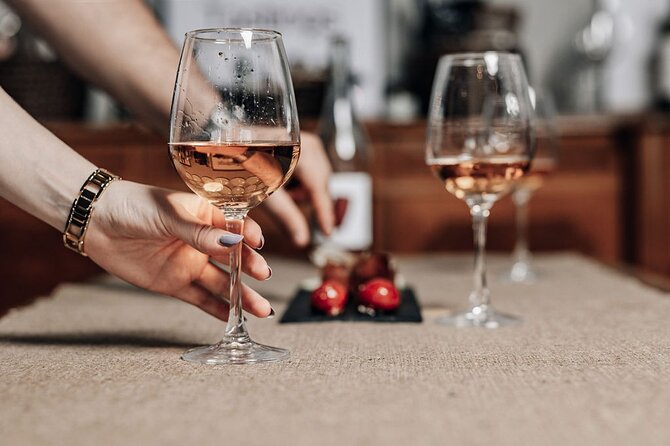
Reviewed · CORFU WINE & VINEYARD TASTINGS
Corfu: Wine Tasting with 5 native grape varieties.
Five native grapes in an hour is a shortcut. Here you taste native Greek wines side-by-side, with Dionysus-style stories about wine and fertility mixed into the lesson on how regions and grapes shape flavor. I like the focus on noticing differences across the five varieties, and I also like that you get taught how to judge quality as you go; just know the pours are meant to be tastings, not big, full-glass servings.
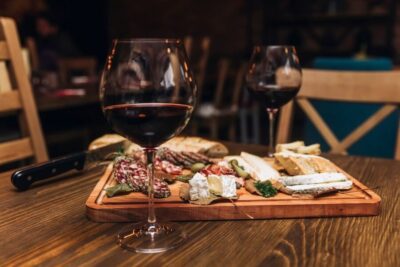
You start at SILO, then settle into a table-style session with Greek cheese, cold cuts, olives, and bread designed to match what you’re drinking. One thing to consider: the food is more of a pairing spread than a heavy meal, so come a little hungry, or plan a bite afterward. If you’re under 18, there’s a way to join with non-alcoholic drinks and matching pairings, but you’ll want to confirm what substitution is offered for your age group.
In This Review
- Key points worth booking for
- Why this Corfu tasting feels practical, not fancy-schmancy
- The heart of the experience: 5 native grape varieties, one clear learning path
- How to spot quality while you taste (so you can shop better afterward)
- Dionysus, wine lore, and why the stories actually help you remember
- Pairings at the table: Greek cheese, cold cuts, olives, and bread
- Meet at SILO and settle in: what the 1-hour flow feels like
- Who this is best for (and who should think twice)
- Price and value: is $64 per person worth it?
- Under-18 participation: how the non-alcoholic option works in practice
- Should you book this Corfu wine tasting?
- FAQ
- How long is the wine tasting in Corfu?
- Where does the tour start and end?
- What is included in the tasting?
- How much does it cost?
- What languages is the guide available in?
- Are under-18s allowed to join?
- Can the tasting include wheelchair access?
- What kind of wines will I taste?
- Is there free cancellation?
- Is reserve now and pay later available?
Key points worth booking for
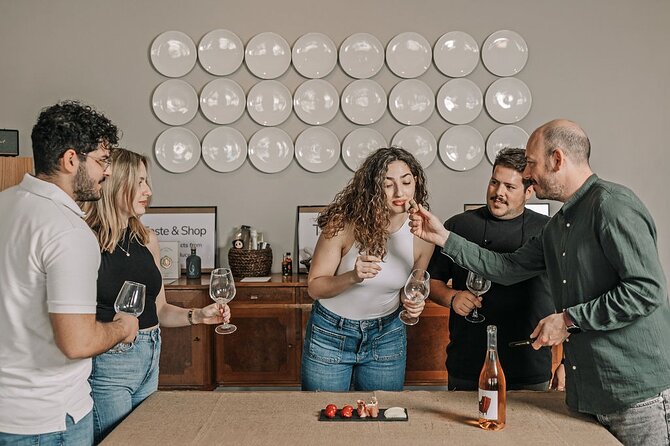
- Five native grape varieties in one focused, 1-hour tasting format
- Myth + wine context, including tales tied to Dionysus, the Greek deity of wine and fertility
- Region flavor mapping, with wines connected to places like Santorini, Crete, Naousa, Corfu, and Kefalonia
- Food pairings that teach your palate, including Greek cheese, cold cuts, olives, and fresh bread
- Quality check skills you can reuse, so you know what to look for next time
- Under-18 participation via substitutes, using non-alcoholic drinks and corresponding pairings
Why this Corfu tasting feels practical, not fancy-schmancy
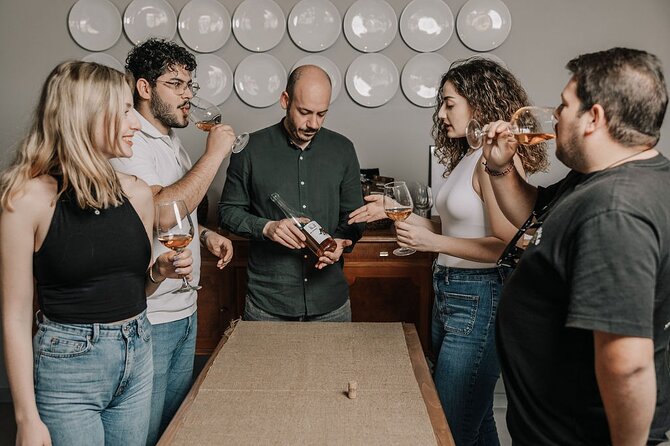
Greek wine can seem confusing fast: islands, mountains, old varieties, and labels that don’t explain themselves. This tasting cuts through that. In an hour, you go through five native varieties and learn what makes each one tick, so you can stop guessing later.
I like that the experience is built around tasting plus explanation, not a long lecture. You sit, you sip, and you get guided to notice details as they happen. And because it’s anchored in Greek culture—stories and the way Greeks used to share wine after a long day—you get flavor context, not just wine facts.
The main tradeoff is simple: it’s a tasting. If you’re used to wine tastings where the pours are generous and you leave feeling stuffed with food and wine, you may find this more measured. Several people call out that the pairing spread is light, so don’t expect dinner energy from it.
A glass of something local: more Corfu winery visits
- Winery tour with Wine and Olive tasting in Corfu
★ 4.5 · 65 reviews - Vineyard Sips: Family Winery Tour & Gourmet Tasting in Corfu
★ 4.7 · 63 reviews - Small Group: Corfu Evening Walking Tour with a Glass of Wine
★ 4.9 · 18 reviews - Wine Tour and Olive Tasting- Small Group Tour
★ 3.5 · 14 reviews
The heart of the experience: 5 native grape varieties, one clear learning path
The session is built around five native Greek grape varieties from small wineries. That matters. When a tasting focuses on native grapes, you’re not just collecting names—you’re learning how grapes that grow locally express Greece’s climate and soils.
You’ll taste wines that connect to multiple Greek wine regions and islands, including Santorini, Crete, Naousa, Corfu, and Kefalonia. That regional sweep is a big part of the value: even though you’re in Corfu, you’re not stuck drinking only what the island is known for. You’ll start building a mental map of how Greek wine can vary.
Expect variety in style. In some sessions, the lineup can include things like natural wine, rosé, a white, and even a sparkling red—so you aren’t stuck tasting one mood. That’s useful for learning because it forces your palate to adapt instead of staying in one flavor lane.
How to spot quality while you taste (so you can shop better afterward)
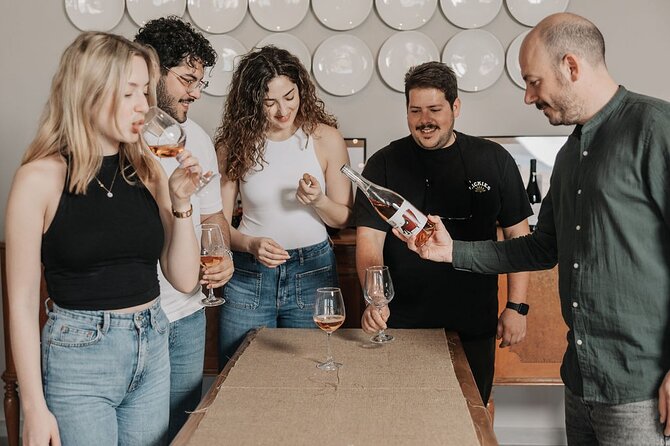
This is where you get more than a sip-and-smile. The tasting includes guidance on how to evaluate and recognize a quality wine during the tasting itself. Even if you’re a beginner, you’ll get a framework you can use next time you’re reading a label or ordering by the glass.
Here’s what you should pay attention to as you taste (and what the guide’s coaching is designed to help you notice):
- Smell first, then taste: quality often shows up in the balance between fruit, floral or herbal notes, and overall cleanliness
- Acidity and balance: a good wine typically tastes structured, not flat
- Finish: better wines often leave a more coherent aftertaste rather than a quick, watery fade
- How each grape behaves: native varieties can feel distinct even when the wines look similar in the glass
A practical bonus: if you’re tasting more than one style—white, rosé, sparkling—you learn to judge each one on its own goal. That makes you less likely to label a style as bad just because it isn’t your usual pick.
If you want to get the most out of the hour, do this: take notes quickly in your head. Even two words per wine—like bright, herbal; or round, ripe—can help you remember what you liked and why.
Dionysus, wine lore, and why the stories actually help you remember
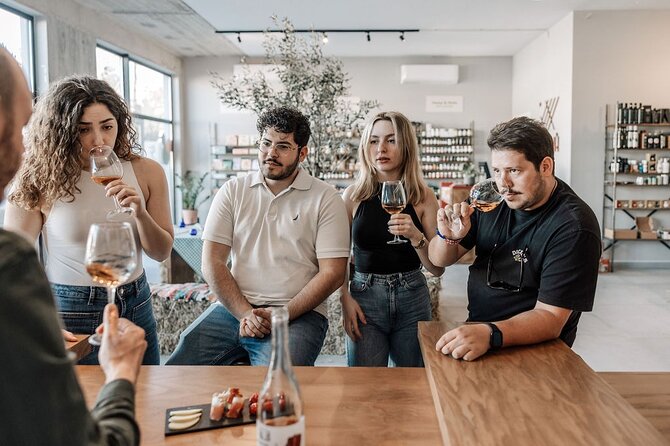
The guide weaves in tales of Dionysus, the Greek deity of wine and fertility. This isn’t just trivia. In a short tasting like this, stories are a memory tool. When you connect a grape or region to a theme—myth, harvest culture, shared tables—it’s easier to recall what you tasted and how it fits into Greek life.
You also hear the lowdown on Greek wine regions and grapes as you go. That structure helps you stay oriented, because you’re not just tasting random bottles. You’re tasting wines that belong to real places, real traditions, and recognizable grape families.
I find this kind of context especially useful if you plan to keep wine-shopping after your trip. You’ll know what to look for, and more importantly, what questions to ask.
Pairings at the table: Greek cheese, cold cuts, olives, and bread
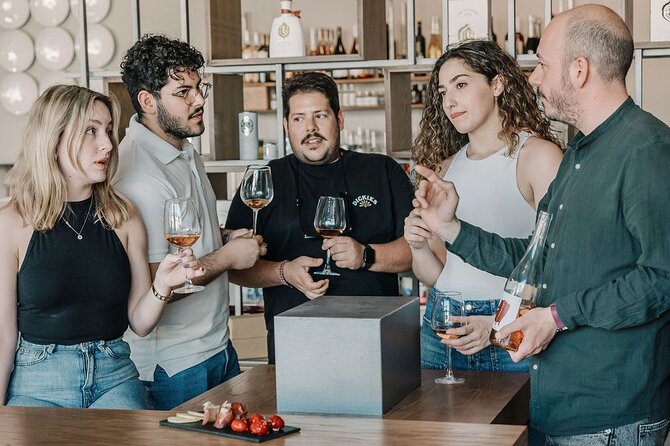
Wine tastings can go one of two ways: either the food is just there, or it’s actively helping you taste. Here, the pairings are part of the design.
You get Greek cheese and cold cuts, plus Greek olives and fresh bread, all paired with the wines. That combination is smart because salty, fatty foods can either amplify or flatten aromas depending on the wine’s structure. When you do it right, you learn something immediately—like how a white behaves with salty cheese, or how a rosé holds up with cured meats.
Just keep expectations real. This isn’t a full meal. Multiple comments point to light food portions and the idea that you may want a bit more bread. So I’d treat the pairing as a palate tool, not the thing that replaces lunch or dinner.
If you know you’re snack-hungry, do one of these:
- Eat a small meal before you go, then treat the pairing as guided tasting fuel
- Or plan to grab something after the tasting while the flavors are still fresh in your head
More Corfu plates and bottles to hunt down

Meet at SILO and settle in: what the 1-hour flow feels like
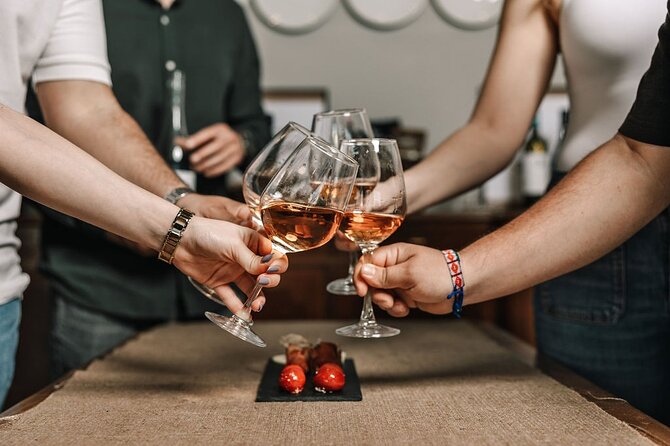
The session lasts 1 hour, and it starts and ends at SILO. You’re not moving around from stop to stop, which keeps the energy focused on the wines and food. You can walk in, get oriented, and then settle into a calm pace.
The pacing is important in a tasting this compact. Five wines means you’ll move through them at a steady rhythm. In a good session, that’s ideal: you don’t get stuck staring at the same glass while your brain goes foggy.
Guides can adjust the timing based on how the group is doing, so if you arrive a touch early, it’s worth giving yourself a little buffer. Being on time helps you get the full pairing flow without rushing.
Another plus: you might be in a small group setting. Some people mention having a very intimate experience, which is great if you like asking questions and comparing notes with the guide. Even if you’re not in a tiny group, the table format usually makes it easier to connect with what you’re tasting.
Who this is best for (and who should think twice)
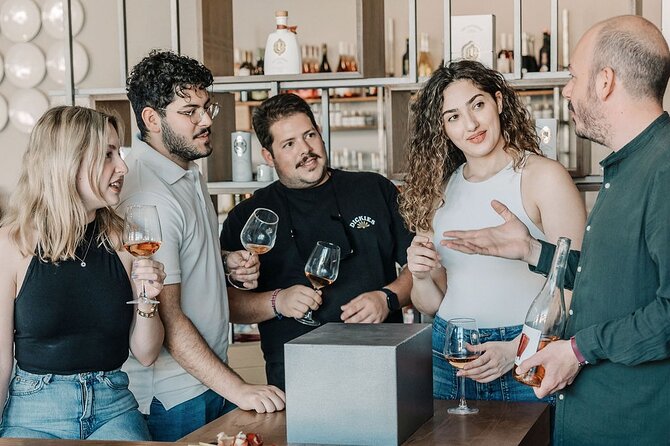
This tasting is a great match if:
- You want an efficient way to understand Greek native grapes without a day-long tour
- You like the idea of pairing wine with Greek staples like cheese and cold cuts
- You want something guided, but not intimidating—there’s a learning structure you can follow
- You’re curious about how Greek regions like Santorini and Naousa relate to what you’ll taste in Corfu
It might not be the best fit if:
- You expect a big, generous pour experience where the glass keeps filling
- You want a heavier meal included in the price
- You’re coming with the mindset of tasting only Corfu wines—this one intentionally covers multiple regions connected to the lineup
For wine lovers, I’d call it a smart “learning hit.” For casual sippers, it can still work because the explanation is paced to what you’re drinking, not to what you already know.
Price and value: is $64 per person worth it?
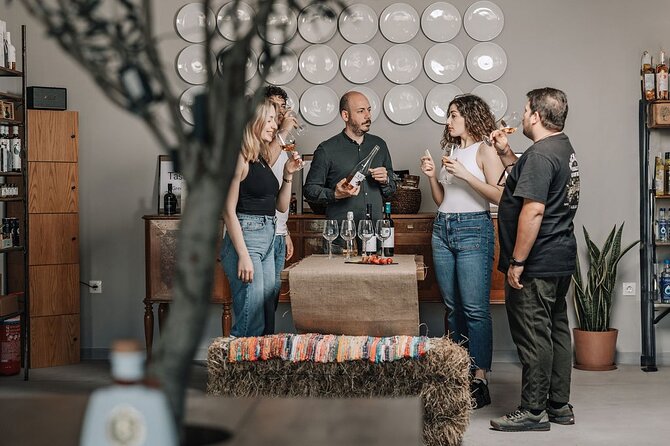
At $64 per person for five wines plus cheese, cold cuts, olives, bread, bottled water, and guidance, the math is decent—especially because you’re not relying on supermarket brands. The tasting is built around small wineries and bottles that you might not see easily back home.
Where value can feel slightly off is portion size. This is a tasting. If you compare it to other European wine experiences where you get larger pours and more food, you may feel you’re paying for instruction and selection more than volume.
Still, I think it can be worth it because you leave with:
- A clear sense of what five native grapes taste like in one sitting
- A better ability to recognize quality when you’re shopping
- Greek food pairing ideas you can repeat elsewhere
If you’re planning to do multiple activities in Corfu, this also makes a good early-trip booking. It helps you order wine with confidence later.
Under-18 participation: how the non-alcoholic option works in practice

The experience notes that kids under 18 can participate without alcoholic beverages by substituting with non-alcoholic drinks and corresponding pairings. That’s a meaningful option for families who still want the cultural and food parts.
At the same time, the overall activity description includes an age restriction note. So don’t assume it’s automatic for every minor. If you’re traveling with someone under 18, message in advance and ask exactly what non-alcoholic drinks and pairings will replace the wines for that age group.
Should you book this Corfu wine tasting?
Book it if you want a focused introduction to Greek native grape varieties with real pairings and short, story-driven learning. In one hour, you’ll understand more about Greek wine than you’d get from a slow, random tasting at a bar.
Don’t book it if you mainly want to drink as much as possible for the money or you’re expecting a full meal. This is built to teach your palate, not to serve a wine buffet.
If you can do only one guided wine experience on Corfu, this is the kind that tends to pay off later—when you’re ordering wine and you can actually describe what you’re tasting instead of just saying good or better.
FAQ
How long is the wine tasting in Corfu?
The tasting lasts 1 hour.
Where does the tour start and end?
The experience starts and returns to SILO.
What is included in the tasting?
You get 5 different Greek wines, local cheeses and cold cuts, Greek olives and fresh bread, bottled water, and guidance.
How much does it cost?
It costs $64 per person.
What languages is the guide available in?
The live guide speaks Greek and English.
Are under-18s allowed to join?
The experience says individuals under 18 can participate without alcohol by using non-alcoholic drinks and corresponding pairings. Because there is also an age restriction note, you should confirm the substitution details before you go.
Can the tasting include wheelchair access?
Yes, it is wheelchair accessible.
What kind of wines will I taste?
You’ll taste 5 native Greek grape varieties from small wineries of Greece, with wines connected to regions such as Santorini, Crete, Naousa, Corfu, and Kefalonia.
Is there free cancellation?
Yes. You can cancel up to 24 hours in advance for a full refund.
Is reserve now and pay later available?
Yes, you can reserve now and pay later.
Corfu Bites and Sips
- The Governor’s Olive Mill Tour with Olive Oil Tasting
★ 5.0 · 502 reviews - Corfu Town: Guided Walking Tour and Local Food Tastings
★ 4.9 · 313 reviews - Small-Group Food and Cultural Tour in Corfu
★ 5.0 · 299 reviews - Corfu: Greek Cooking Class & Olive Oil Tasting
★ 4.9 · 137 reviews - North Corfu Olive Tour With Olive oil Tasting & Meze
★ 5.0 · 89 reviews
More Tour Reviews in Corfu
- From Corfu Island: Antipaxos & Paxos Blue Caves Boat Cruise
★ 4.6 · 2,963 reviews - From Corfu: Day Cruise to Paxos, Antipaxos, and Blue Caves
★ 4.6 · 2,851 reviews - Full-Day Boat Tour of Paxos Antipaxos Blue Caves from Corfu
★ 4.5 · 1,567 reviews - Corfu: City Sightseeing Hop-On Hop-Off Bus Tour
★ 4.1 · 937 reviews - Day Trip to Saranda and Butrint National Park from Corfu
★ 4.2 · 847 reviews
More Corfu Wine to Try
- Winery tour with Wine and Olive tasting in Corfu
★ 4.5 · 65 reviews - Vineyard Sips: Family Winery Tour & Gourmet Tasting in Corfu
★ 4.7 · 63 reviews - Small Group: Corfu Evening Walking Tour with a Glass of Wine
★ 4.9 · 18 reviews - Wine Tour and Olive Tasting- Small Group Tour
★ 3.5 · 14 reviews
Not the one? Have a browse through the rest of what Corfu gets up to



Corfu Wine & Vineyard Tastings, compared.
 ★ 4.5Winery tour with Wine and Olive tasting in CorfuFrom $2665 reviews
 ★ 4.7Vineyard Sips: Family Winery Tour & Gourmet Tasting in CorfuFrom $4663 reviews
 ★ 4.9Small Group: Corfu Evening Walking Tour with a Glass of WineFrom $8818 reviews
 ★ 3.5Wine Tour and Olive Tasting- Small Group TourFrom $2814 reviews
Browse the lists this tour appears in